tbd · GPU compute
Examples
Explore interactive examples for command graphs, streaming data, rendering, and GPU-native analysis.
Find examples
Search by name, topic, graphics API, or difficulty.
Showing 50 of 50 examples
GPU-driven deck.gl integrations
GPU Graph Layers - deck.gl v10
Core capabilities
GPU compute and workflows
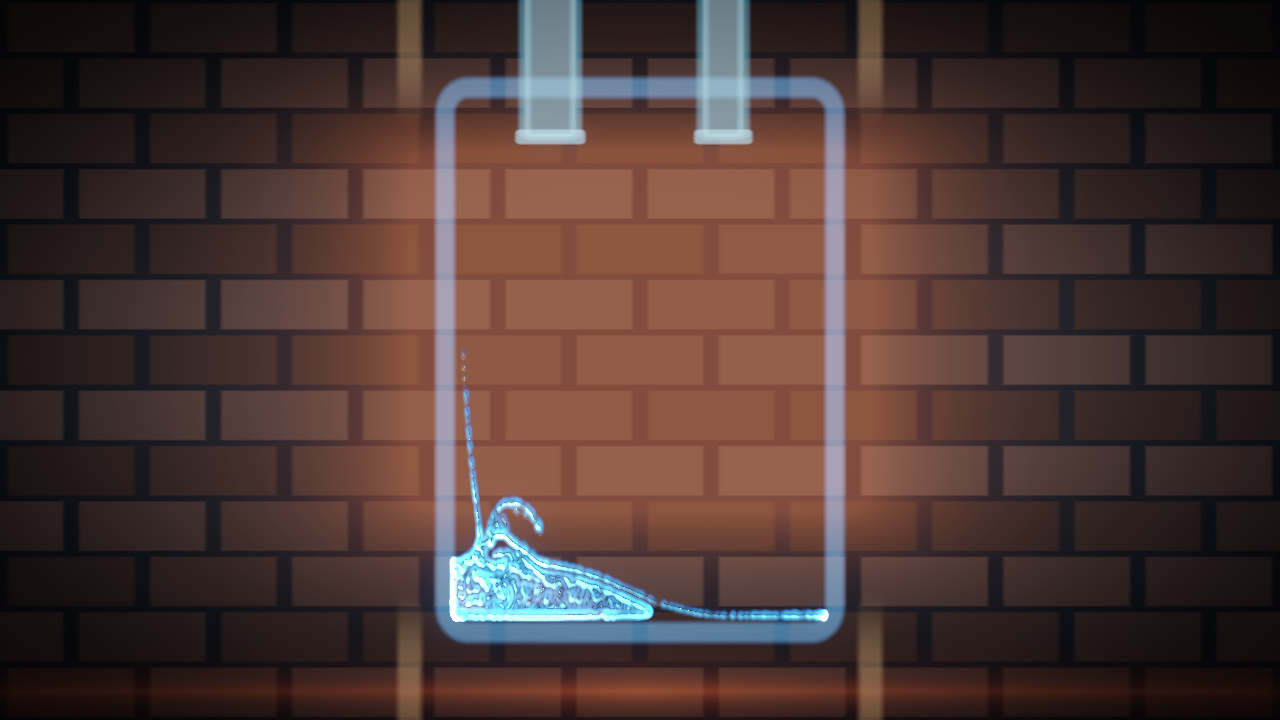
Fluid Foundry: Liquid Metal Press
Drive a GPU-resident MLS-MPM liquid through an HDR industrial vessel on WebGPU.

GPT-2 Transformer
Run GPT-2 inference with WebGPU compute pipelines and GPU-resident model data.
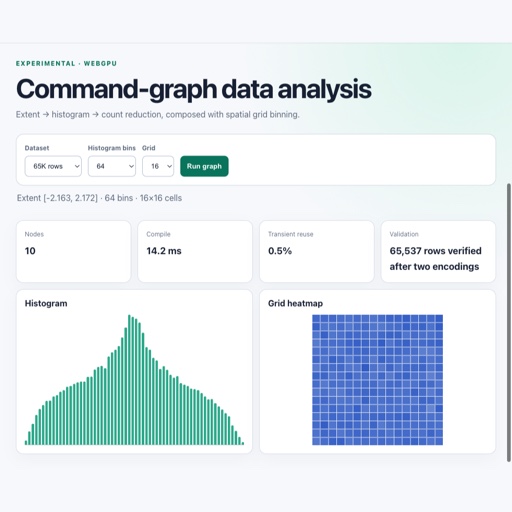
GPU data analysis
Compose graph-native GPU analytics and run an opt-in Arrow-driven luDF dataframe benchmark against equivalent CPU results.
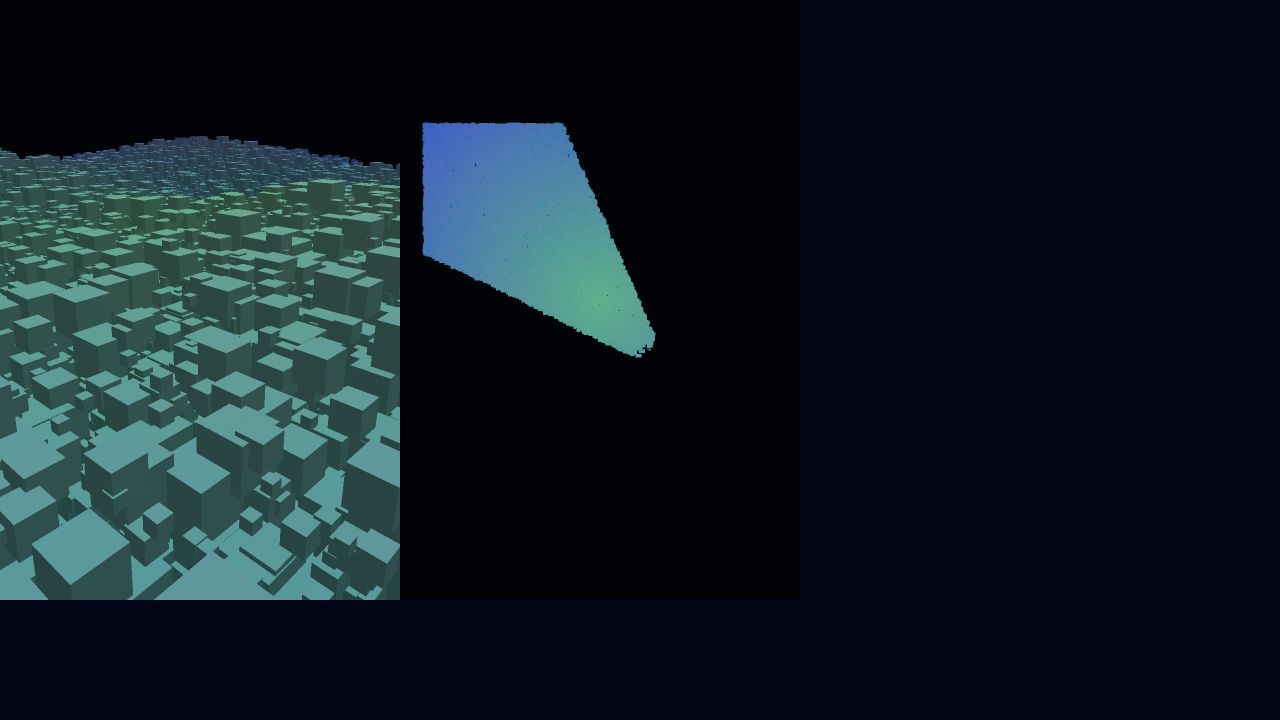
GPU frustum culling
Cull, stably compact, pick, and indirectly draw visible instances without a CPU visibility pass.
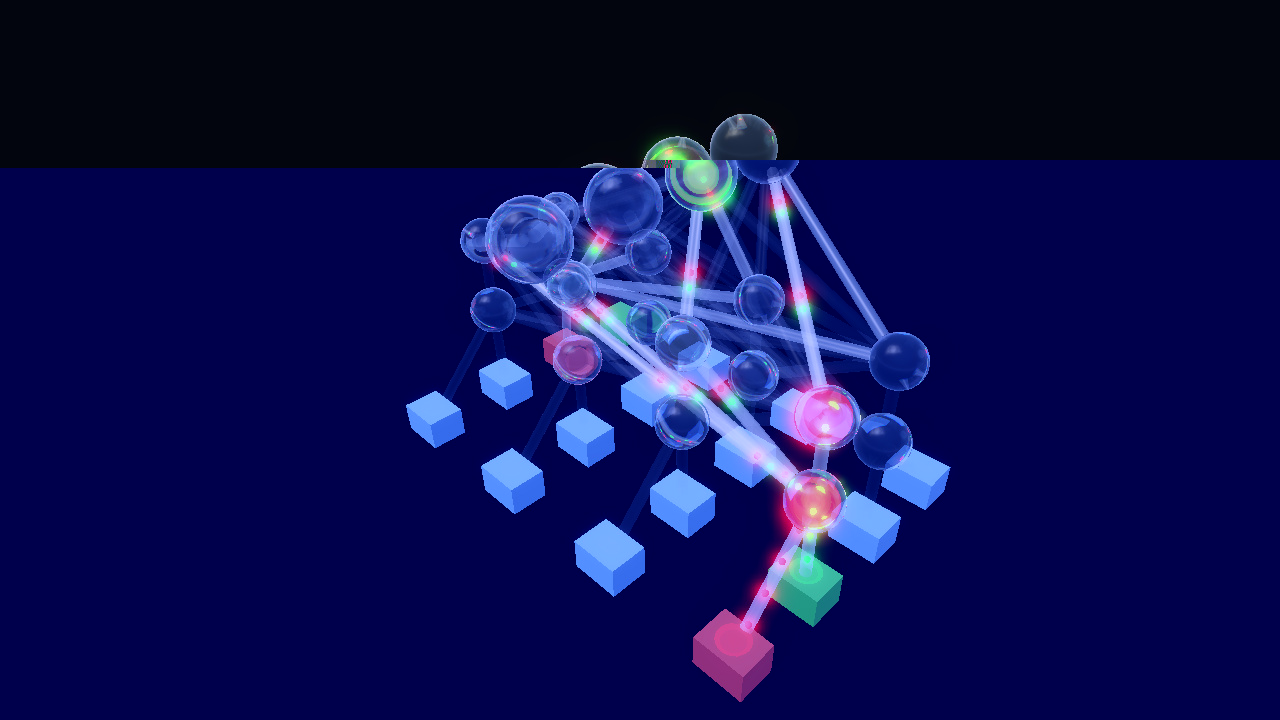
GPU Graph explorer
Explore up to 1,048,576 actual GPU vertices and 2,097,343 resident edges through communities, PageRank, neighborhood selection, and bounded force layout.
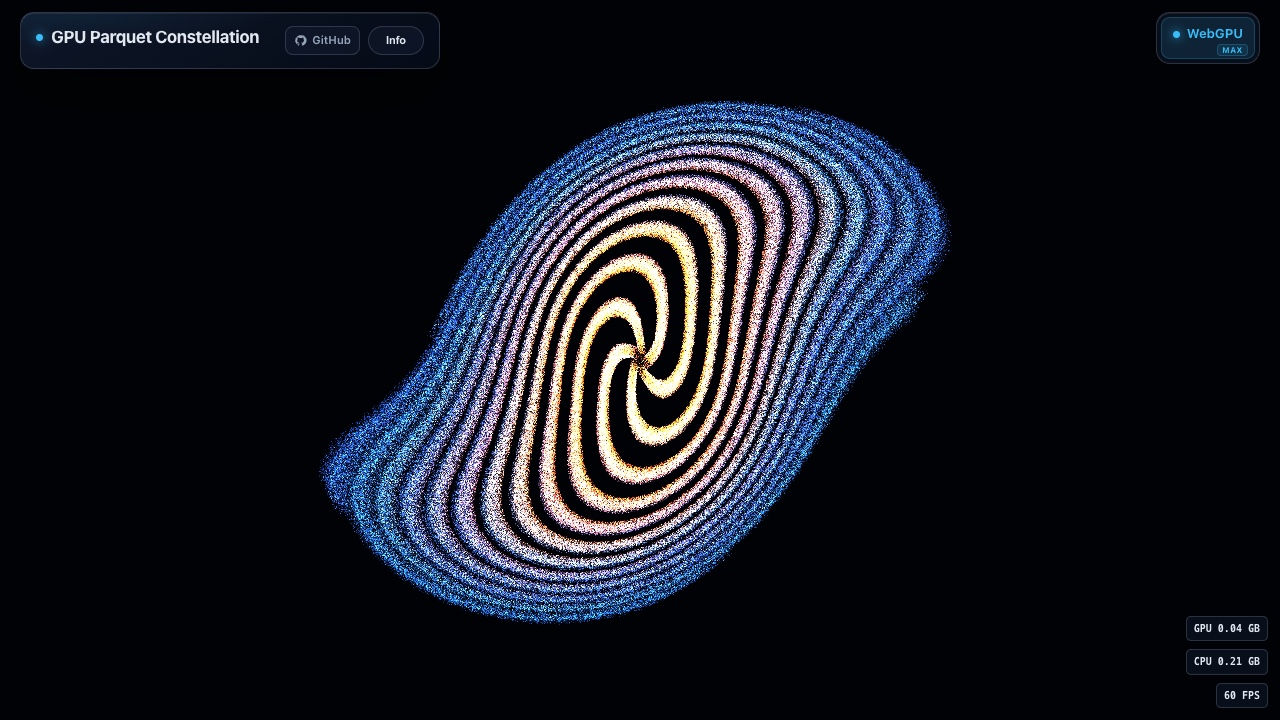
GPU Parquet constellation
Decode a deliberately GPU-friendly Parquet galaxy on the CPU or GPU and render the result without readback.
GPU scene graph
Adapt a CPU-owned hierarchy into generic GPU visibility, picking, resource groups, and indirect rendering.
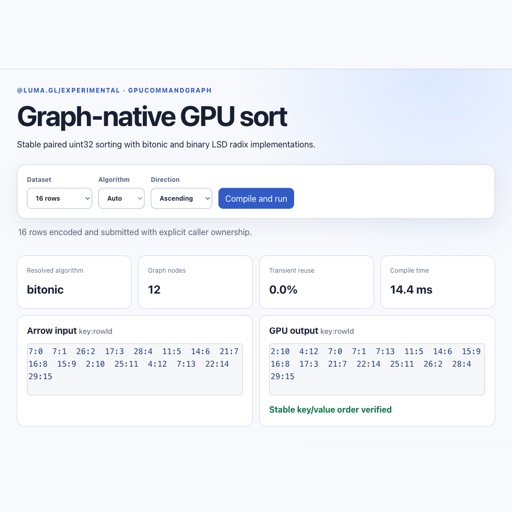
GPU sort
Stably sort paired uint32 keys and values across global or independent batched GPU domains.
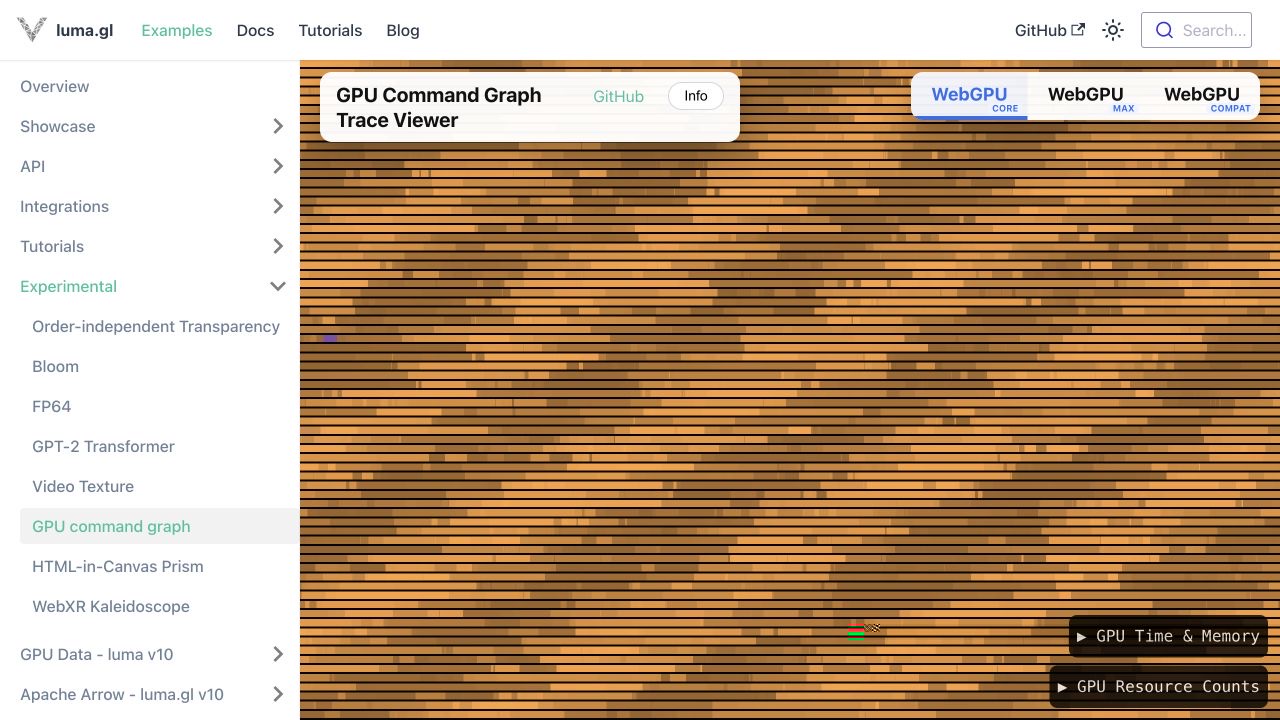
GPU scene trace
Explore canonical trace scenes with reusable GPU interaction, resource groups, picking, and indirect drawing.
GPU hierarchical trace
Filter, traverse, pick, density-LOD, and indirectly render hierarchical traces entirely on the GPU.
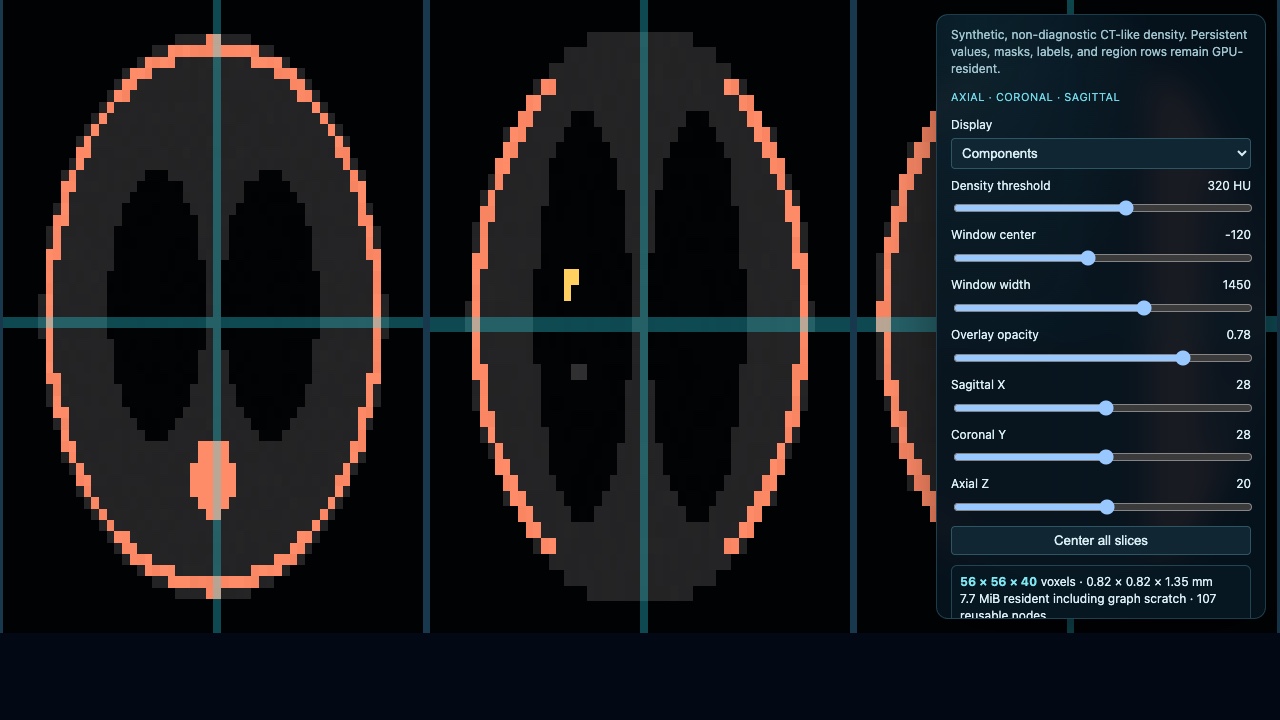
LuCIM Volume Lab
Segment and inspect a synthetic CT-like volume with reusable WebGPU command graphs.
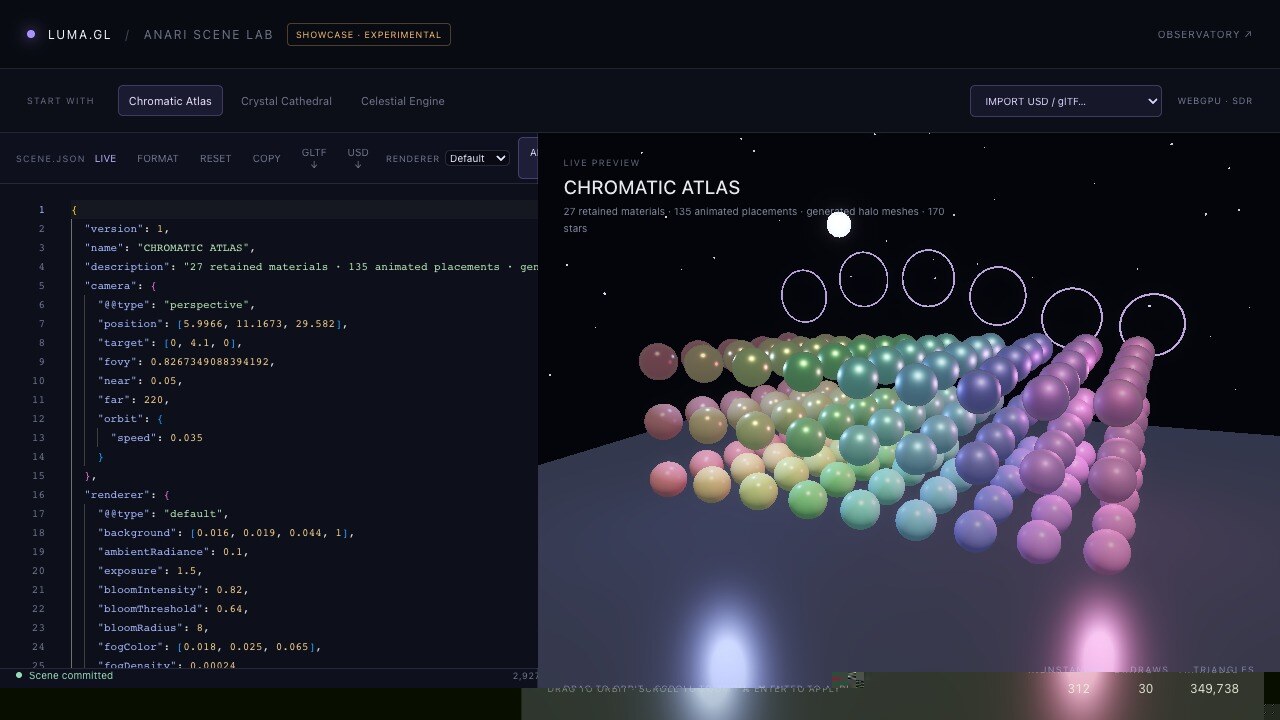
ANARI Playground
Declarative ANARI-style scene editing, OpenUSD/glTF import, HDR rendering, and glTF/USD export.
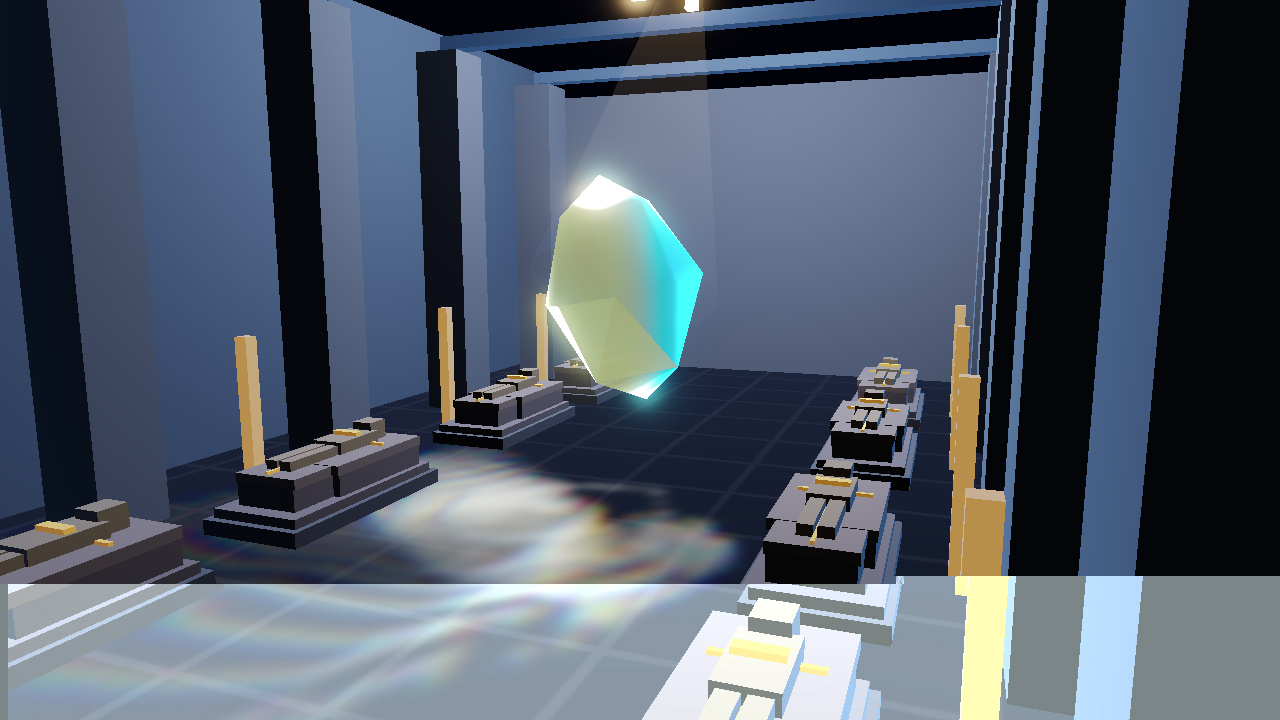
Spectral Caustics: Prism Cathedral
Trace a faceted refractor into a six-band, geometry-derived HDR caustic on WebGPU.

Text Space Crawl
Compare extruded, bitmap, SDF, and MSDF text as glyphs recede through perspective space.
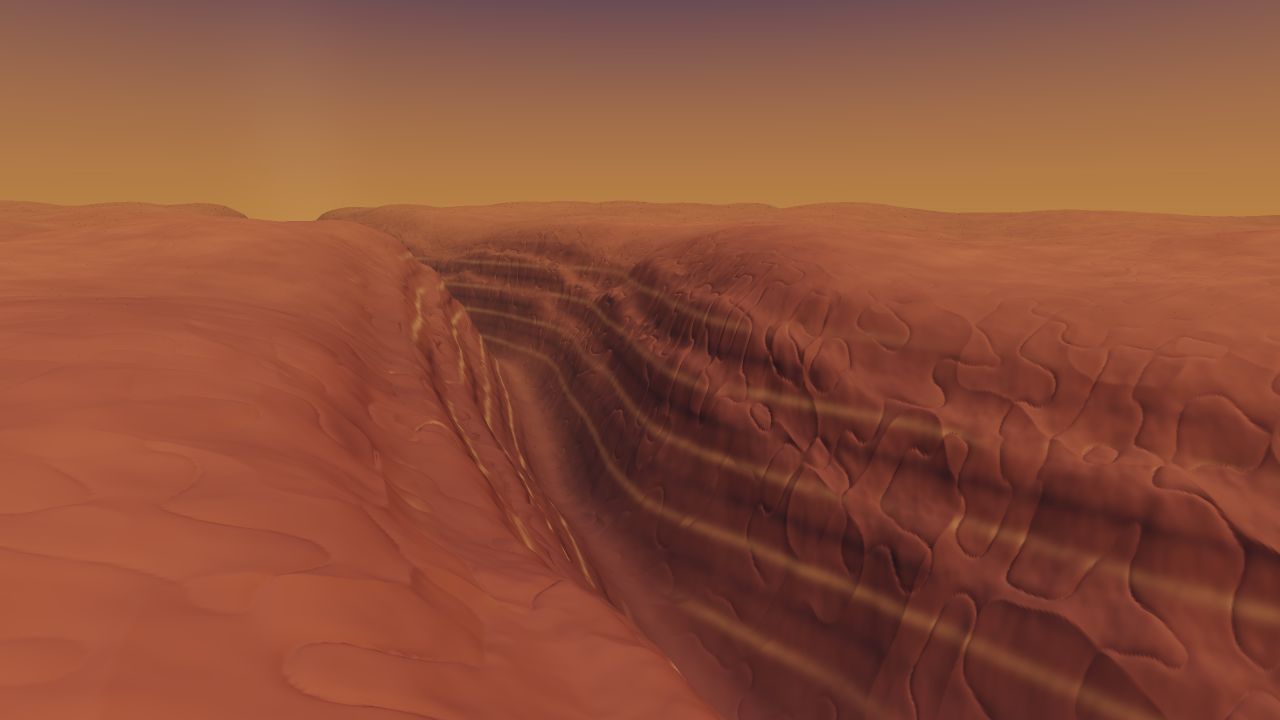
Virtual Geometry Canyon
Explore a procedural canyon whose GPU-selected LOD frontier represents more than 41 million potential leaf triangles.
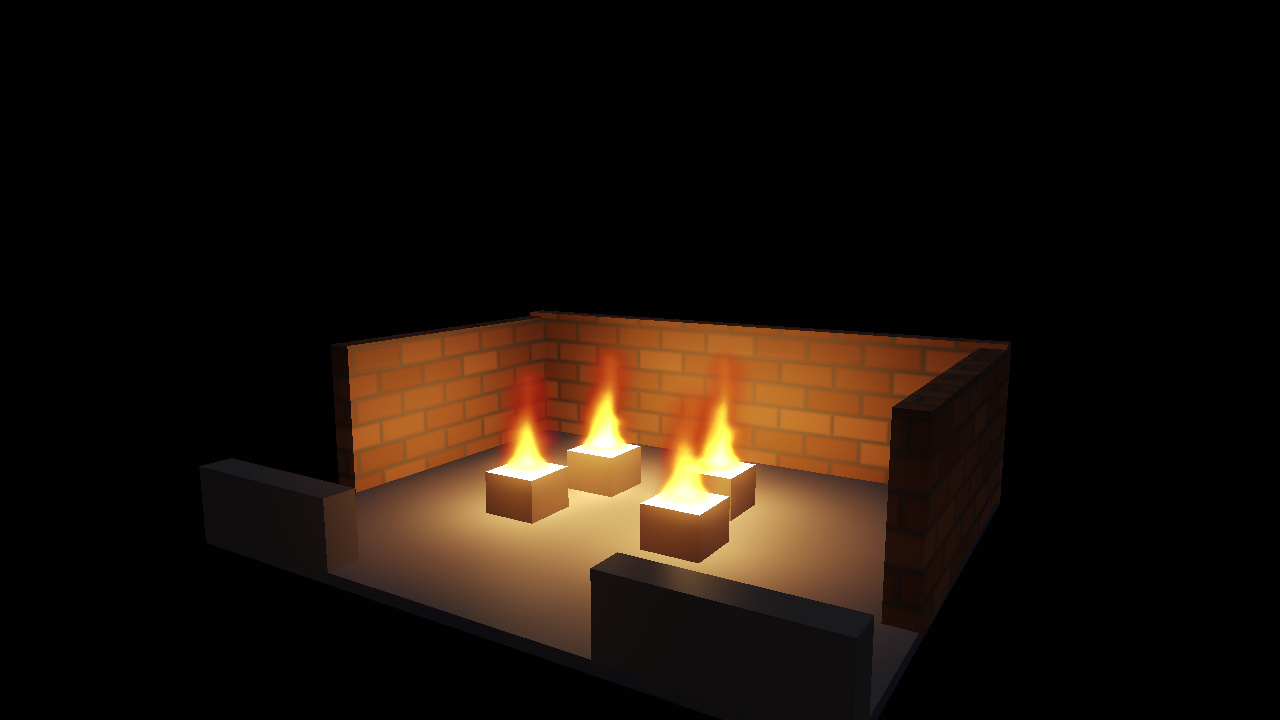
Volumetric Fire Forge
Simulate reactive obstacle-aware fire and render the live volume with depth-correct HDR emission and smoke on WebGPU.
Core capabilities
Analytical views and simulations
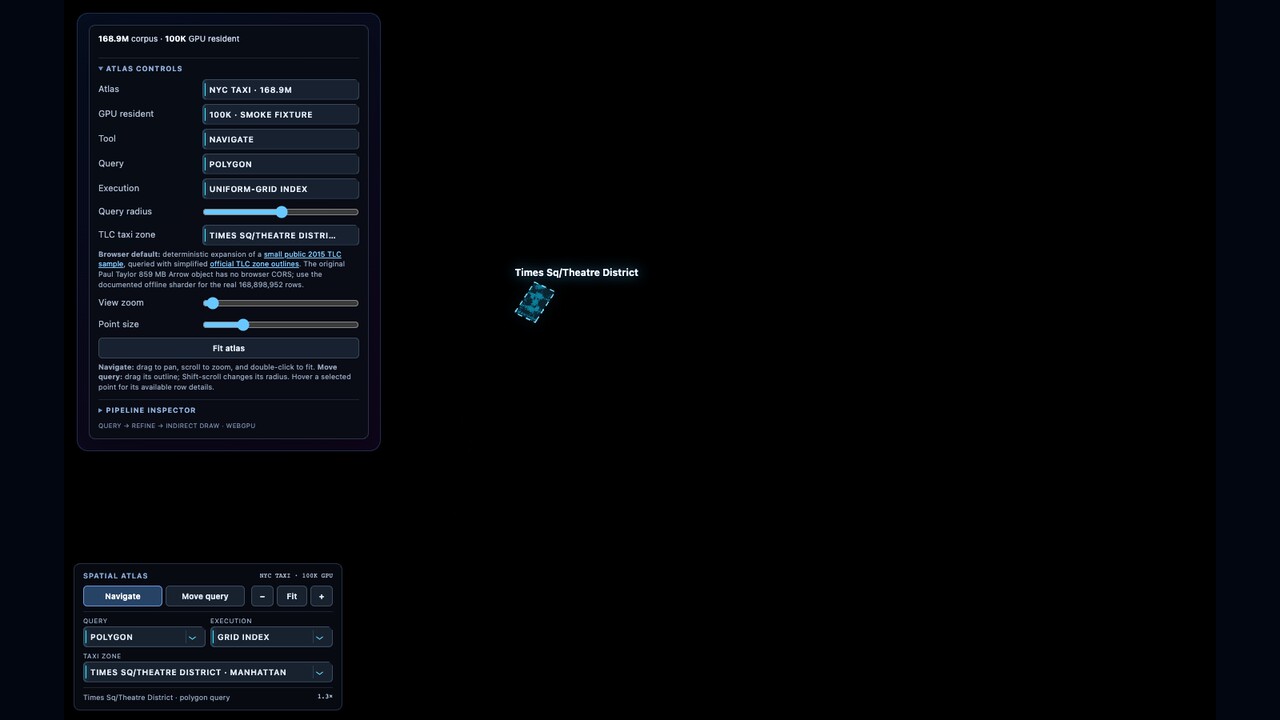
Billion-Point Spatial Atlas
Query and indirectly render massive NYC point corpora with graph-native WebGPU geospatial algorithms.
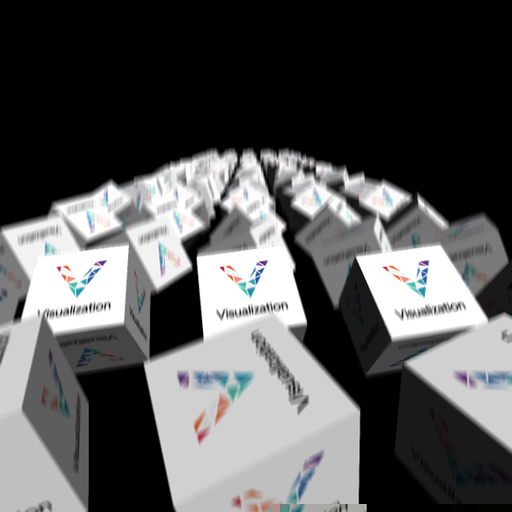
Effects: Depth of Field
Focus a layered 3D scene with a reusable depth-aware bokeh and depth-of-field pipeline.
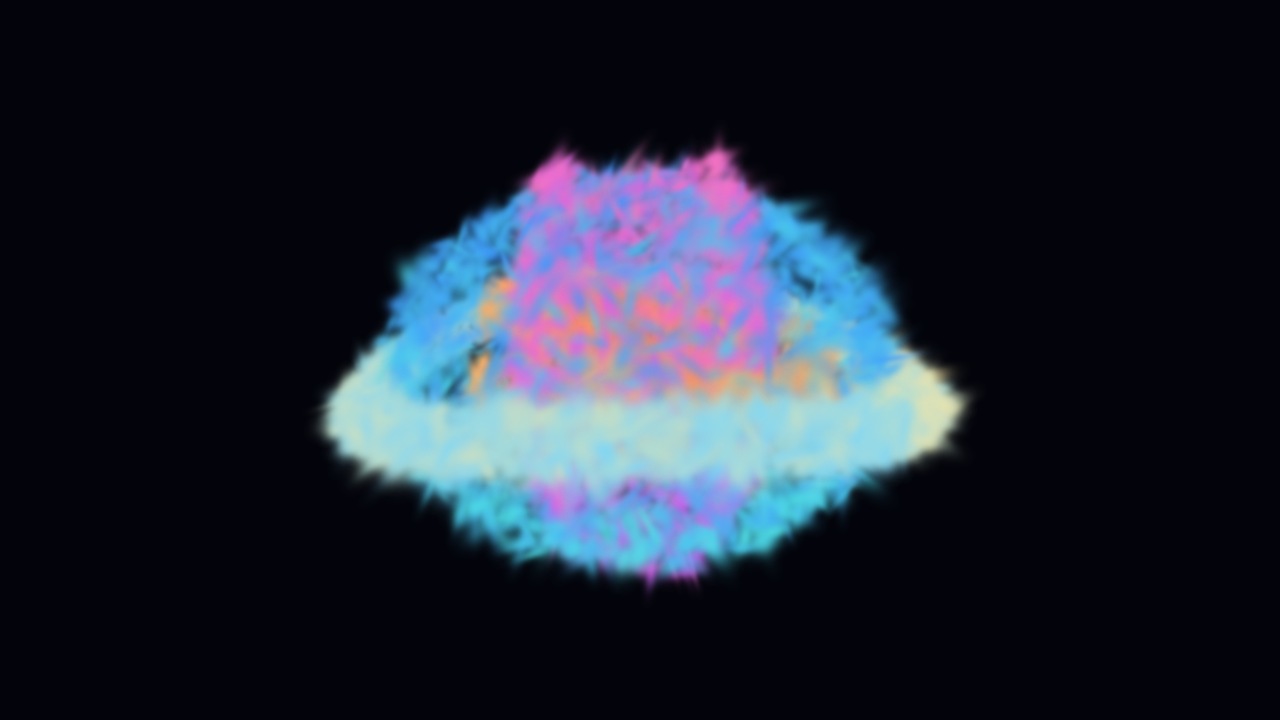
Gaussian Splats
Render progressive Gaussian splats through a WebGPU command graph or WebGL2 fallback.
Instancing
Animate a dense field of geometry with per-instance transforms and colors issued in a compact draw.
Lightstorm Megacity
Race through an HDR megacity beneath synchronized lightning and thunder, with SSR, bloom, and GPU-driven indirect rendering across up to one million records.
Million-Row DataFrame Crossfilter
Explore one million GPU-resident dataframe rows across linked maps, scatterplots, histograms, and categorical distributions without source-row CPU readback.

Poisson Lab
Paint a field, solve a sparse Poisson system on WebGPU, and inspect the numerical evidence behind the image.
Quantum State Studio
Scrub classical quantum state vectors on the GPU through linked probability, phase, Bloch, interference, and correlation views.
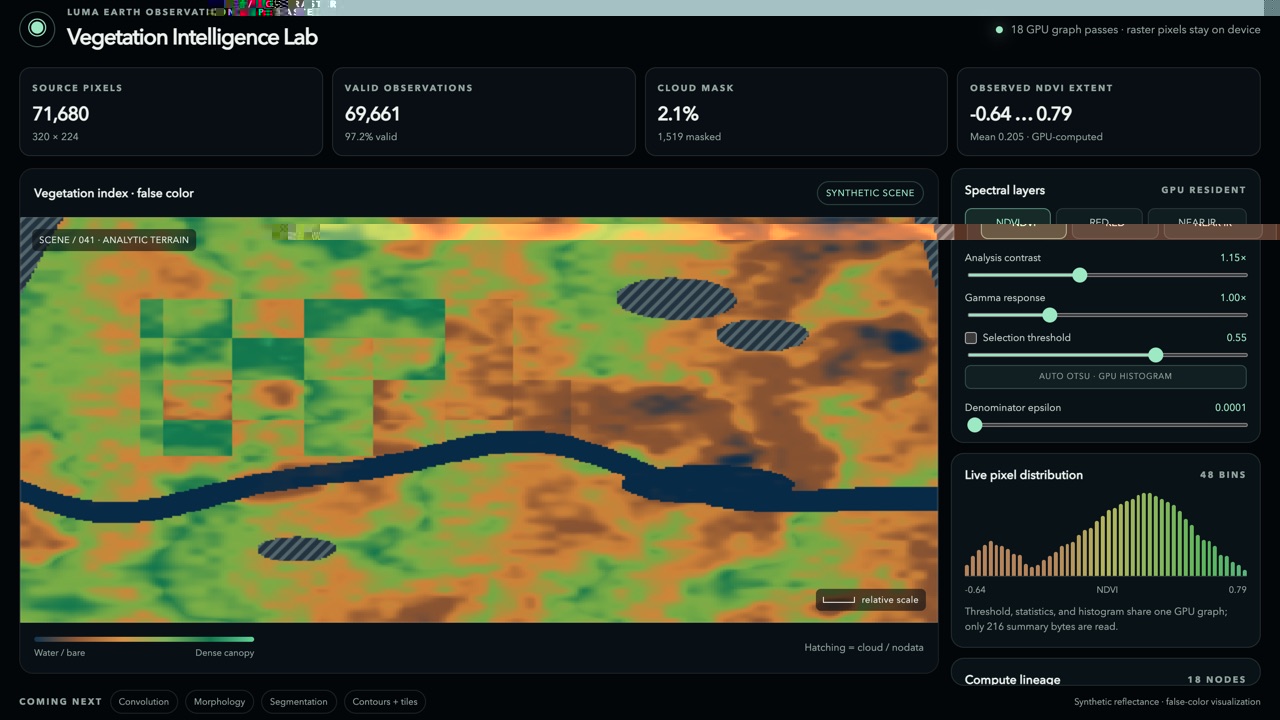
GPURaster: Satellite Raster Lab
Explore GPU cross-tile component identities, merged region measurements, global raster histograms, nodata-aware overviews, seam-safe halos, NDVI, and contours.
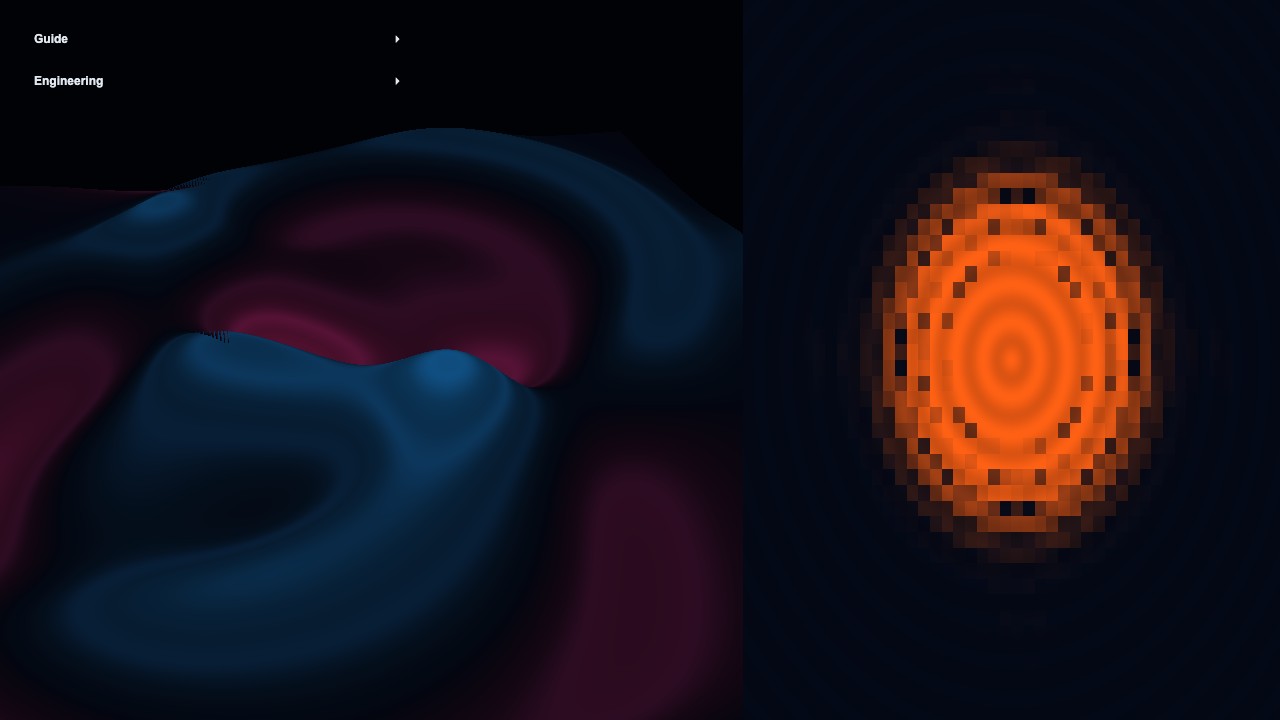
Spectral Dynamics Lab
Watch one GPU-resident wave evolve simultaneously in physical and Fourier space.
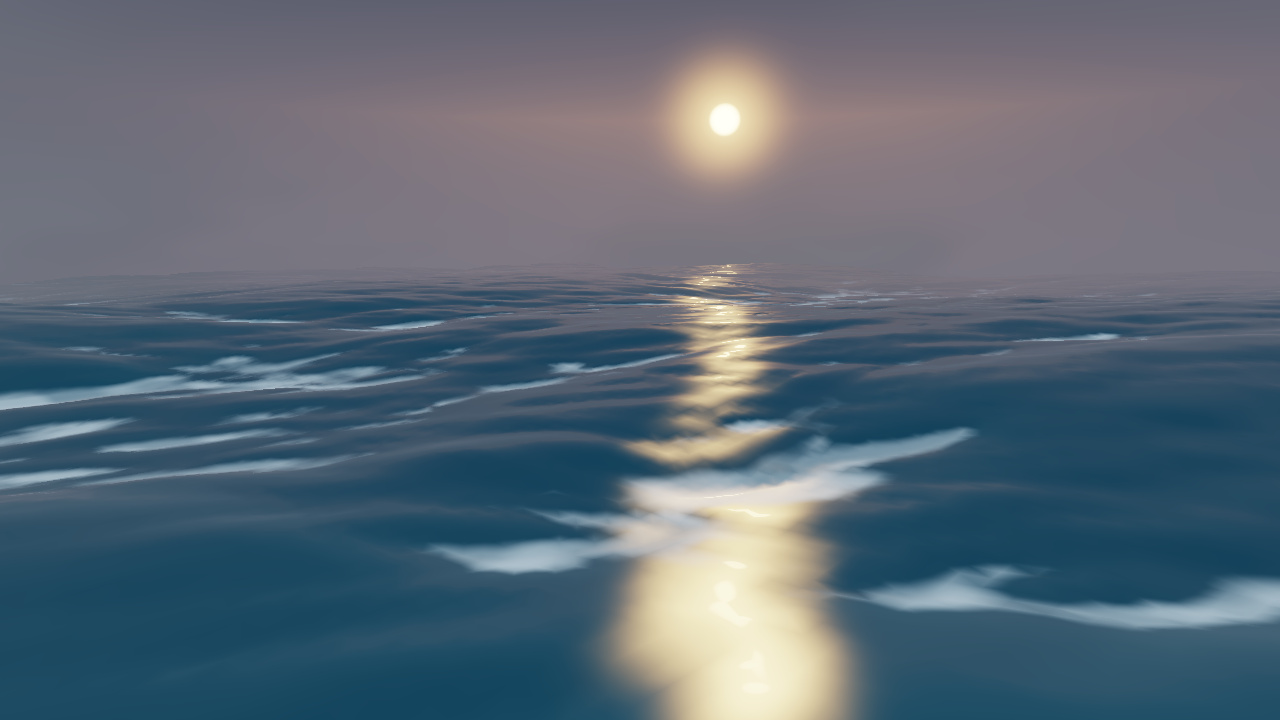
Tempest Ocean: Spectral Stormfront
Fly above a physically displaced spectral ocean with GPU-derived normals, whitecaps, and HDR storm lighting.
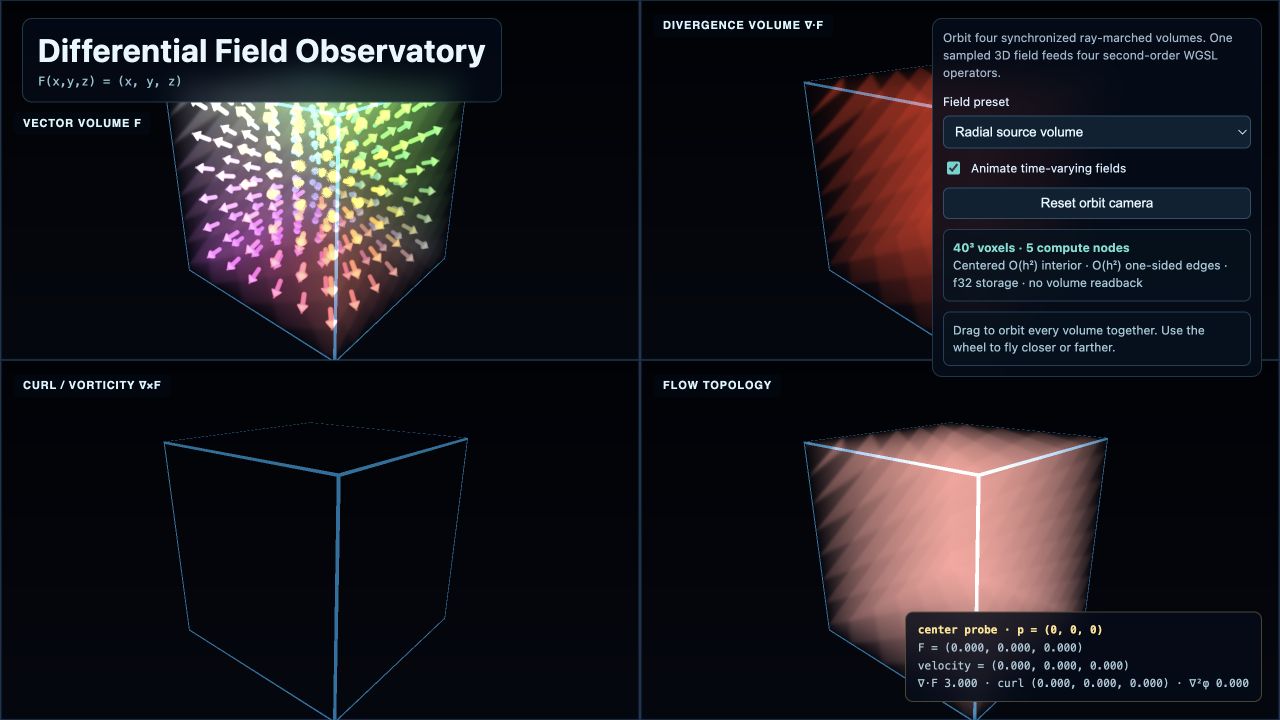
Vector Field Lab
Orbit a sampled 3D field beside GPU-computed gradient, divergence, curl, and Laplacian volumes.
GPU-native data
Arrow integration
DGGS + time
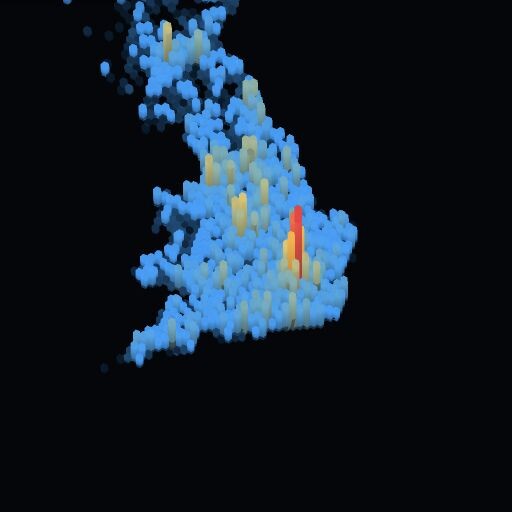
Render GPU table columns that combine discrete global-grid cells with temporal values and filtering.

Global Grids
Turn Arrow-encoded DGGS cells into GPU-rendered global grid polygons without repacking rows.
Points - Filtering ShaderPlugin
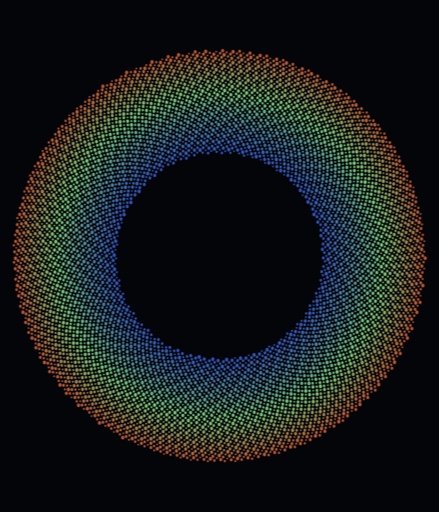
Filter Arrow-backed point records in the shader with a reusable typed filtering plugin.
Float64 Origin Rebasing
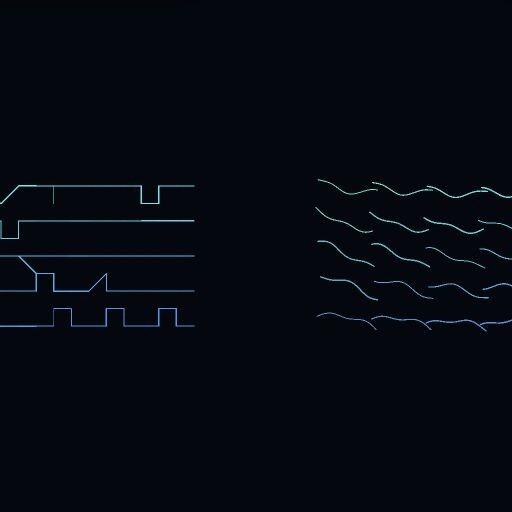
Preserve geospatial precision by rebasing Arrow float64 positions near a GPU-friendly local origin.

GeoArrow
Upload GeoArrow geometry directly into GPU vectors and render its nested spatial coordinates.
Lines
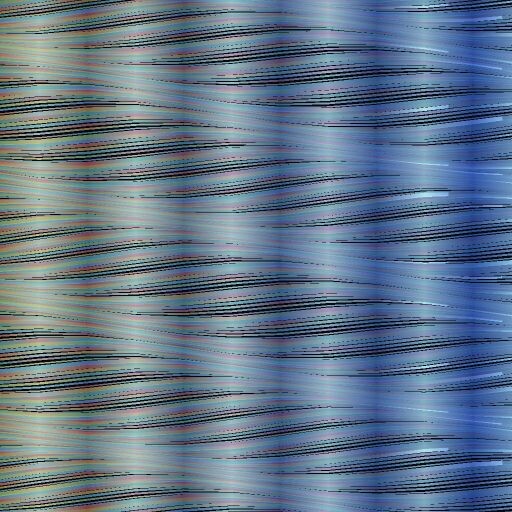
Render variable-length Arrow line paths from shared GPU vectors with per-row styling.
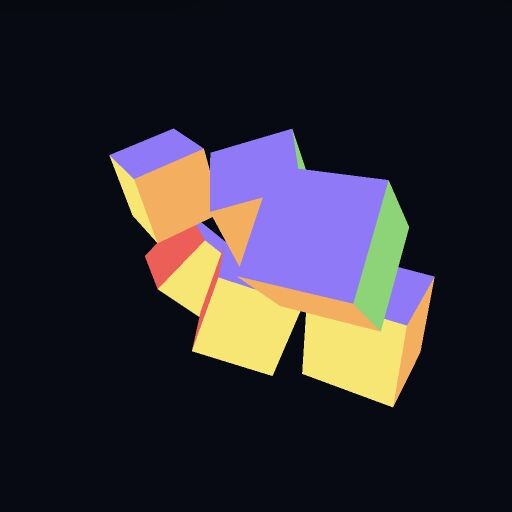
Matrices
Map Arrow fixed-size matrix values into GPU attributes that transform instanced mesh geometry.
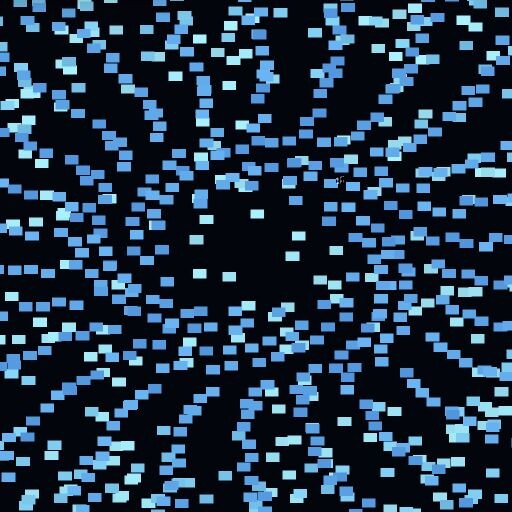
Particles
Animate a GPU particle field whose initial positions and properties arrive as Arrow columns.

Points
Render Arrow point columns directly from GPU storage with data-driven size and color.
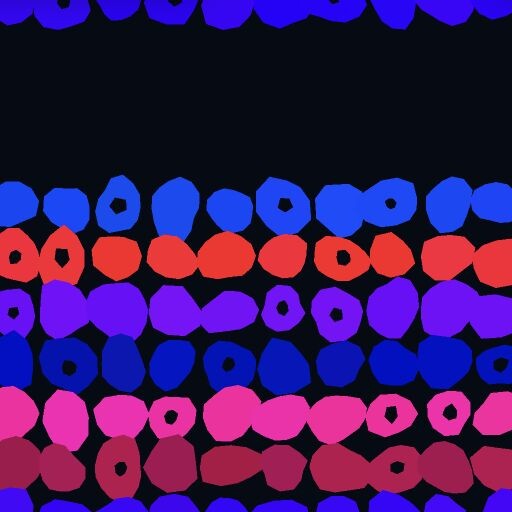
Polygons
Triangulate and render nested Arrow polygon rings while preserving row-level attributes.
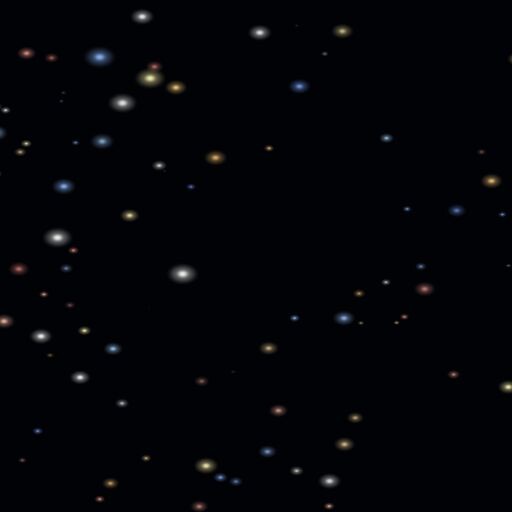
Durations
Animate a starfield from Arrow duration intervals and time-dependent visibility on the GPU.
Text
Draw labels from Arrow string and position columns with GPU-backed text styling.
Time
Visualize Arrow timestamp values and scrub time-aware records without converting their columns.
Core capabilities
deck.gl integration
ArrowPathLayer
Render Arrow-native path columns through deck.gl while keeping variable-length geometry GPU-ready.
ArrowPolygonLayer
Feed Arrow polygon rings and row attributes directly into a deck.gl polygon layer.
ArrowTextLayer
Bind Arrow labels, positions, colors, and sizes directly to deck.gl text rendering.
GPU-Culled Trace
Cull a hierarchical trace on the GPU and label the retained spans with Arrow-backed text.
luSpatial Taxi Explorer
Project and query one million GPU-resident taxi points with luProj and luSpatial, then render the result indirectly with deck.gl.
Learn by building
Tutorials
Core capabilities
Portable computation
Core capabilities